
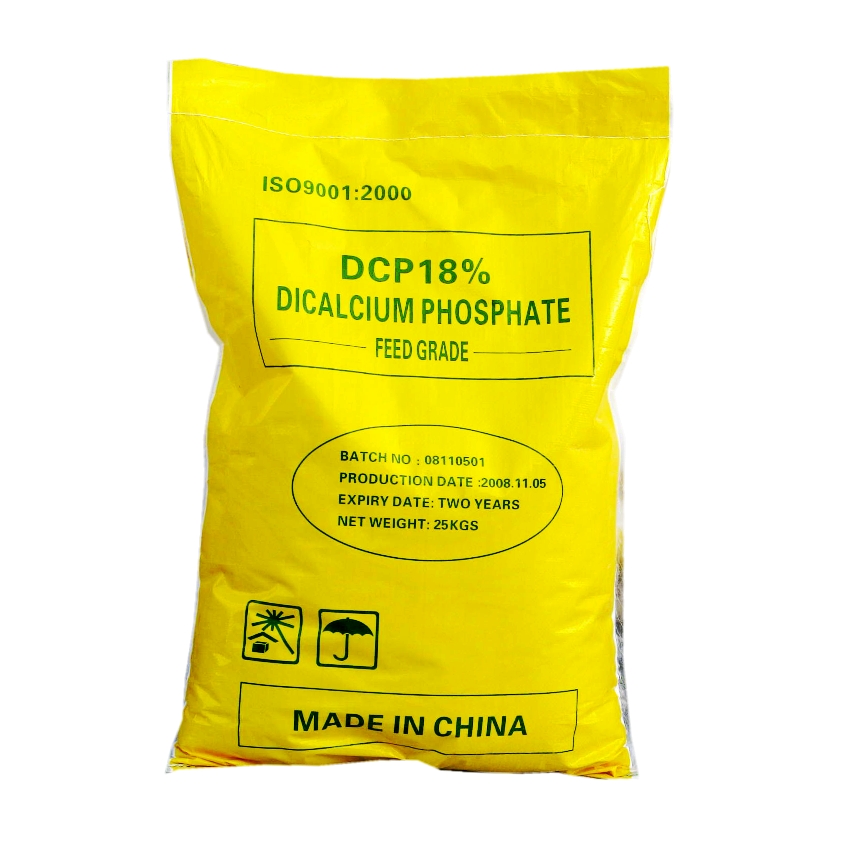
Dicalcium Phosphate (CAS 7757-93-9 / 7789-77-7)
High-purity, bioavailable calcium and phosphorus source engineered for animal nutrition, pharmaceutical tablet binding, food fortification, and dentifrice abrasives. Supplied as anhydrous (CaHPO4) or dihydrate (CaHPO4.2H2O) crystal forms, with grade selection driven by dissolution kinetics, contaminant thresholds, and target application.
Technical Summary
Total Phosphorus (P): 18.0% min.
Calcium (Ca): 21.0-26.0% (grade-dependent)
Hydration form: Anhydrous (CaHPO4, M = 136.06 g/mol) or Dihydrate (CaHPO4.2H2O, M = 172.09 g/mol)
Fluorine: 0.18% (1,800 ppm) max, feed grade ceiling; food/pharma grades typically 50 ppm max
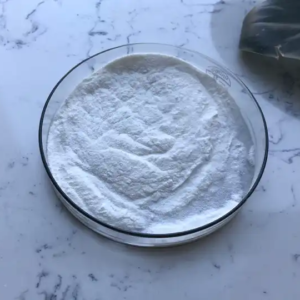
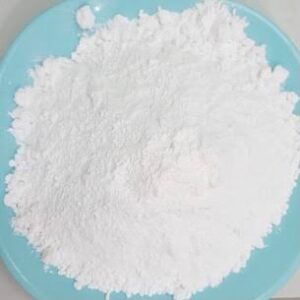
Physical form: White crystalline powder, granular powder, or compacted micro-granules
Solubility: Insoluble in water; soluble in dilute mineral and organic acids
Action Block – Request Technical Data Sheet (TDS), Safety Data Sheet (GHS Rev 8), FAMI-QS / USP-NF Certificate of Analysis, or submit an RFQ / sample request through procurement contact.
Structured Technical Specifications
Technical Parameter | Feed Grade Spec | Pharma / Food Grade Spec | Test Standard
Phosphorus (P) content | 18.0% min. | 22.5-22.8% (as P2O5: 50.0-52.5%) | AOAC 965.17 / ISO 6491
Calcium (Ca) content | 19.0-23.0% | 22.7% min. (USP) | AOAC 927.02 / ISO 6490-1
Fluorine (F), max | 1,800 ppm (0.18%) | 50 ppm | AOAC 975.03 / ISP electrode method
Arsenic (As), max | 30 ppm | 1-3 ppm | USP 211 / ICP-MS
Lead (Pb), max | 30 ppm | 1-2 ppm | USP 231 / ICP-MS
Cadmium (Cd), max | 10 ppm | 1 ppm | ICP-MS
Loss on drying / moisture | 8.0% max (dihydrate) | 8.0% max per USP/EP monograph | USP 731 / Ph. Eur. 2.2.32
Bulk density | 0.9-1.3 g/cm3 | 0.8-1.1 g/cm3 (grade/compressibility dependent) | ASTM B417
Particle size distribution | 10-60 mesh (95% retained) | 40-200 mesh / D50 controlled for direct compression | Sieve analysis ISO 4497
Values above reflect representative industry and pharmacopeial ranges (IS 5470, USP-NF, Ph. Eur., FCC); confirm against the batch-specific Certificate of Analysis and the current edition of the applicable monograph before specification acceptance.
Chemical Mechanisms & Multi-Industry Applications
Bioavailability and dissolution kinetics. DCP is insoluble in neutral water but solubilizes progressively under acidic gut pH, releasing free Ca2+ and HPO4 2- ions for absorption. Monogastric species (poultry, swine) rely on gastric HCl (pH 2-3.5) and, in the case of phytate-bound phosphorus, exogenous phytase for effective phosphorus release; ruminants solubilize DCP more gradually via rumen fermentation acids, with absorption occurring primarily in the small intestine. Digestible phosphorus values are therefore lower than total P content and are typically expressed as a species-specific digestibility coefficient in feed formulation software.
Pharmaceutical and dentifrice function. In direct compression tableting, DCP (particularly the anhydrous, low-moisture form) acts as an inert, non-hygroscopic diluent/binder with good flow and compressibility, minimizing interaction with moisture-sensitive actives. In dentifrice systems, controlled crystal habit and particle size govern the Relative Dentin Abrasivity (RDA) index; dihydrate grades are engineered toward lower RDA for enamel-safe polishing versus higher-abrasivity calcium carbonate or silica systems.
Dosing matrix
Poultry: inclusion typically calculated to meet available/digestible phosphorus requirement (commonly in the range of a few kg per tonne of finished feed, formulation-specific), balanced against Ca:available-P ratio targets.
Swine: inclusion rate set against NRC/breed-specific digestible P requirements per growth phase.
Aquafeed: lower inclusion due to high water-solubility sensitivity and phosphorus discharge/environmental loading constraints.
Food fortification / pharma excipient use: concentration set by target elemental calcium delivery per dose/serving; dihydrate form dehydrates to anhydrous/monetite phases above approx. 60C, a factor relevant to thermal processing and hot-melt operations.
Packaging, Logistics & Bulk Storage
Packaging: 25 kg and 50 kg woven PE/PP bags with PE inner liners; 1,000 kg FIBC big bags; bulk pneumatic tanker delivery for high-volume feed mill and industrial accounts.
Storage: Moisture-proof, ventilated warehousing; stack on pallets off-floor; anti-caking handling protocols for extended storage; segregate from acidic fumes and strong oxidizers; monitor shelf-life stability (typically 2-3 years unopened, grade-dependent).
Transport classification: Non-hazardous cargo (Non-DG) under UN transport guidelines; compatible with standard international food/feed-grade transport handling codes.
EHS, Safety & Regulatory Compliance
GHS classification: Not classified as hazardous under GHS Rev 8 for acute toxicity/health hazard categories; handle as nuisance dust (avoid prolonged inhalation of fine particulate).
PPE: Dust mask/respirator (P2/N95 or higher for prolonged exposure), safety glasses with side shields, protective work gloves, standard industrial hygiene practice for particulate handling.
Certifications & compliance frameworks: FAMI-QS and/or GMP+ (feed-grade manufacturing), USP-NF / Ph. Eur. / BP monograph compliance (pharma grade), Food Chemicals Codex (FCC) compliance (food grade), ISO 9001:2015 (quality management), ISO 22000 / HACCP (food safety, where applicable), REACH registration status, EU Regulation (EC) No 1831/2003 and (EC) No 767/2009 (feed additive/materials marketing, EU market), and batch-specific Certificate of Analysis (COA) issued against each shipment.
Regulatory references above are grade/market-dependent; request the current COA and applicable certificate set for the specific destination market and grade prior to procurement commitment.


Reviews
There are no reviews yet.